

10 Innovative Ways Digital Timesheet Systems Outperform Manual Processes like Paper Timesheets Every Day of The Week.
Digital Timesheet Systems Will Outperform Paper Timesheets Every Day of The Week.
Digital Timesheet Systems Will Outperform Paper Timesheets Every Day of The Week.
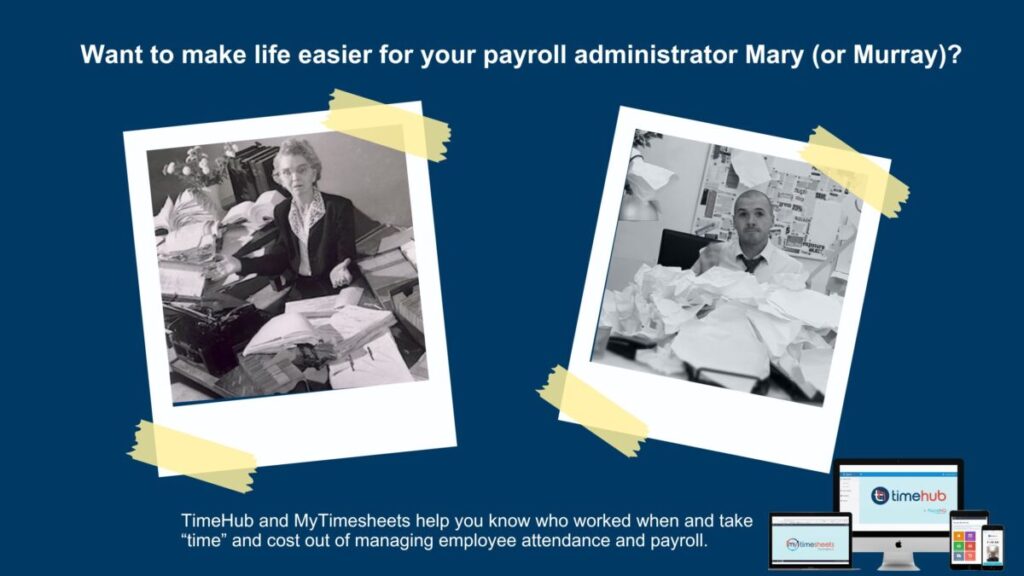
Every week, in payroll offices across New Zealand, payroll administrators like Mary (or Murray) face the daunting task of checking, calculating and keying paper timesheets. This throwback to a bygone era sucks time and admin resources. Using a digital timesheet system like TimeHub and MyTimesheets can significantly streamline the tasks payroll administrators like Mary have
Want to make life easier for your Mary (or Murray)? Read More »

In the realm of business operations, the decision-making process is often driven by a careful consideration of costs and benefits. Whether it’s optimizing workflows, streamlining processes, or adopting new technologies, every choice has financial implications. However, one aspect that is frequently overlooked is the cost of doing nothing. Inaction can be more costly than taking
The Hidden Costs of Inaction: Why Investing in a Time and Attendance System Pays Off Read More »

In the bustling landscape of New Zealand’s small to medium-sized enterprises (SMEs), envision a scenario where the tedious world of manually managing employee time and attendance gives way to the seamless efficiency of digital timekeeping. Picture the liberation of precious hours, the elimination of errors, and the streamlining of payroll processes. As businesses evolve, so
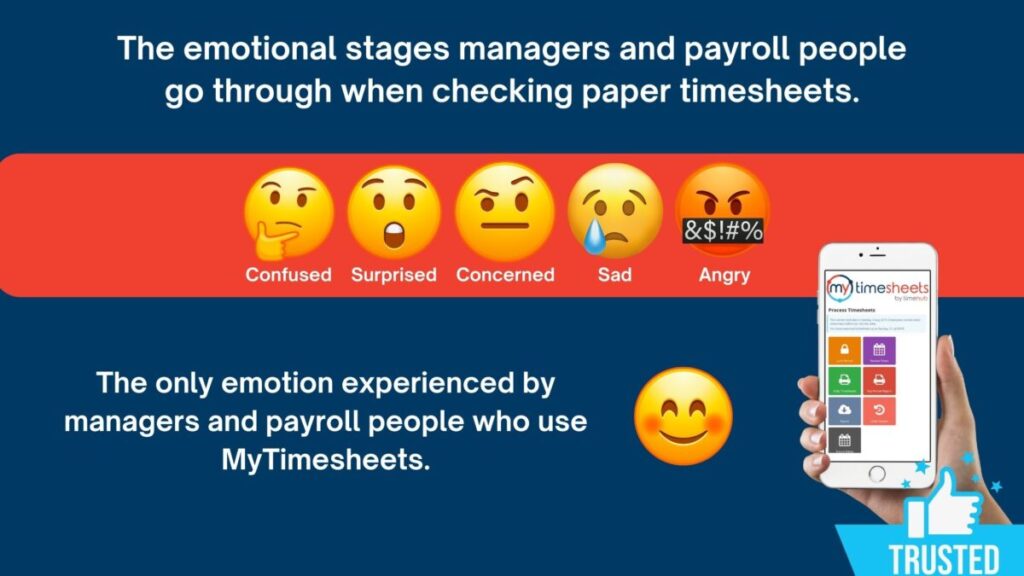
Five common emotional states managers and payroll administrators go through when checking timesheets While not the five stages of grief, there are a number of emotional stages a manager will go through as they check timesheets: Confused: The process begins with confusion when the payroll manager encounters discrepancies or inconsistencies in the timesheets. They may

“We’ve always done it this way” is not a good business strategy because it implies resistance to change and a lack of adaptability. In a dynamic and competitive business environment, staying stagnant and sticking to old practices can hinder growth and innovation. Here are some reasons why this mindset is problematic: Lack of efficiency: Just
Not changing because “We’ve always done it this way” is not a good business strategy Read More »

Managers spending time chasing and checking paper timesheets can be unproductive for several reasons: Manual Data Entry: Paper timesheets require manual data entry, which is time-consuming and prone to errors. Managers need to collect timesheets, input data into spreadsheets or payroll systems, and reconcile any discrepancies. This manual process can lead to mistakes and delays
Are your managers spending time chasing and checking paper timesheets Read More »
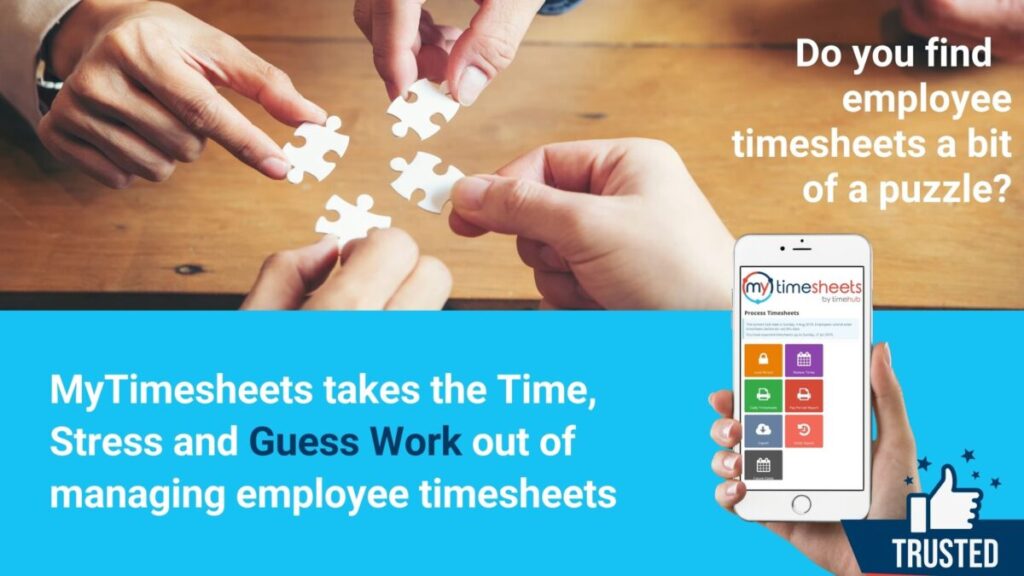
Using paper timesheets can be likened to doing a puzzle with missing pieces due to several reasons: Incomplete Information: Paper timesheets may lack essential information, such as accurate start and end times, breaks, or overtime hours. Employees may forget to record certain details, leading to incomplete data. Illegible Handwriting: Handwritten timesheets can be difficult to
Using paper timesheets can be like doing a puzzle with missing pieces Read More »

Trust and reliability are essential when it comes to managing employee time and attendance for several reasons: Accuracy: Trustworthy time and attendance systems ensure accurate recording of employees’ working hours. This accuracy is crucial for payroll processing, ensuring employees are paid correctly, and preventing disputes or errors that may arise from inaccurate timekeeping. Fairness: A

These are the time-related records that employers must keep under new zealand employment law Time and wage records: Employers must maintain accurate records of the hours worked by each employee, including start and finish times, break times, and the wages paid for each pay period. Leave records: Employers must keep records of the different types